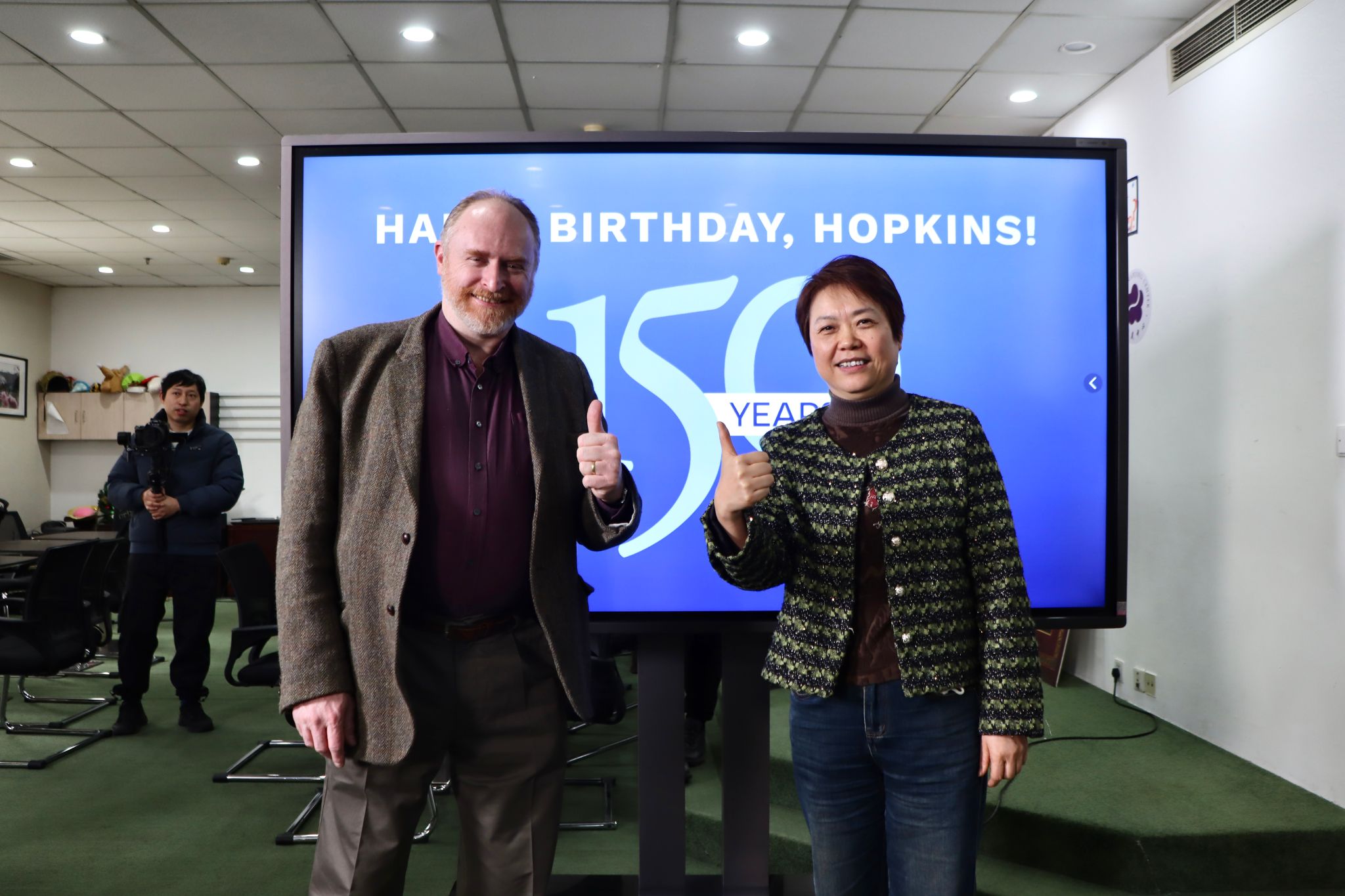
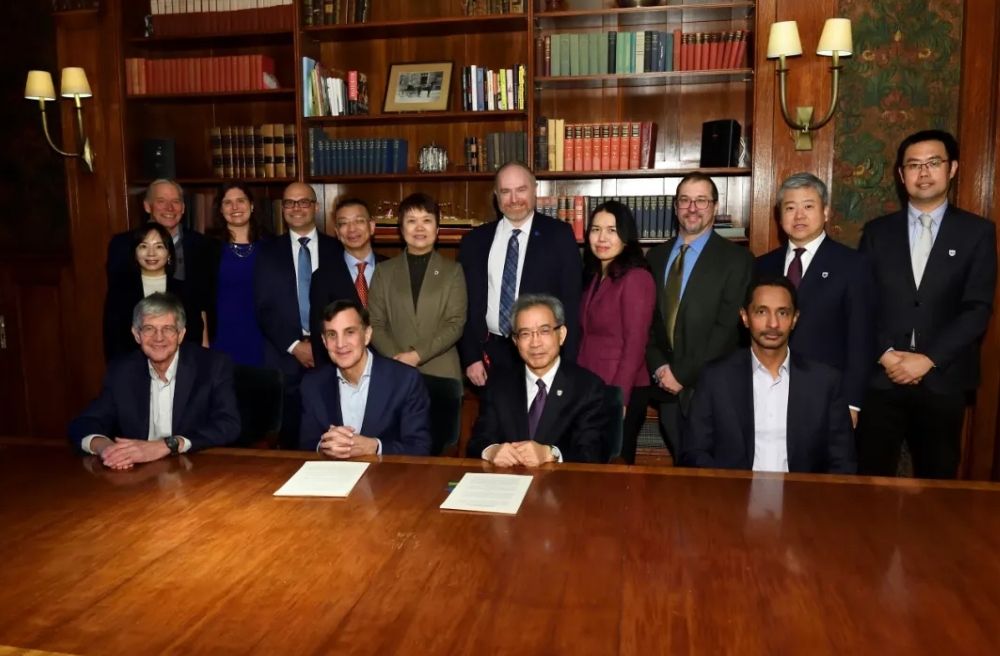
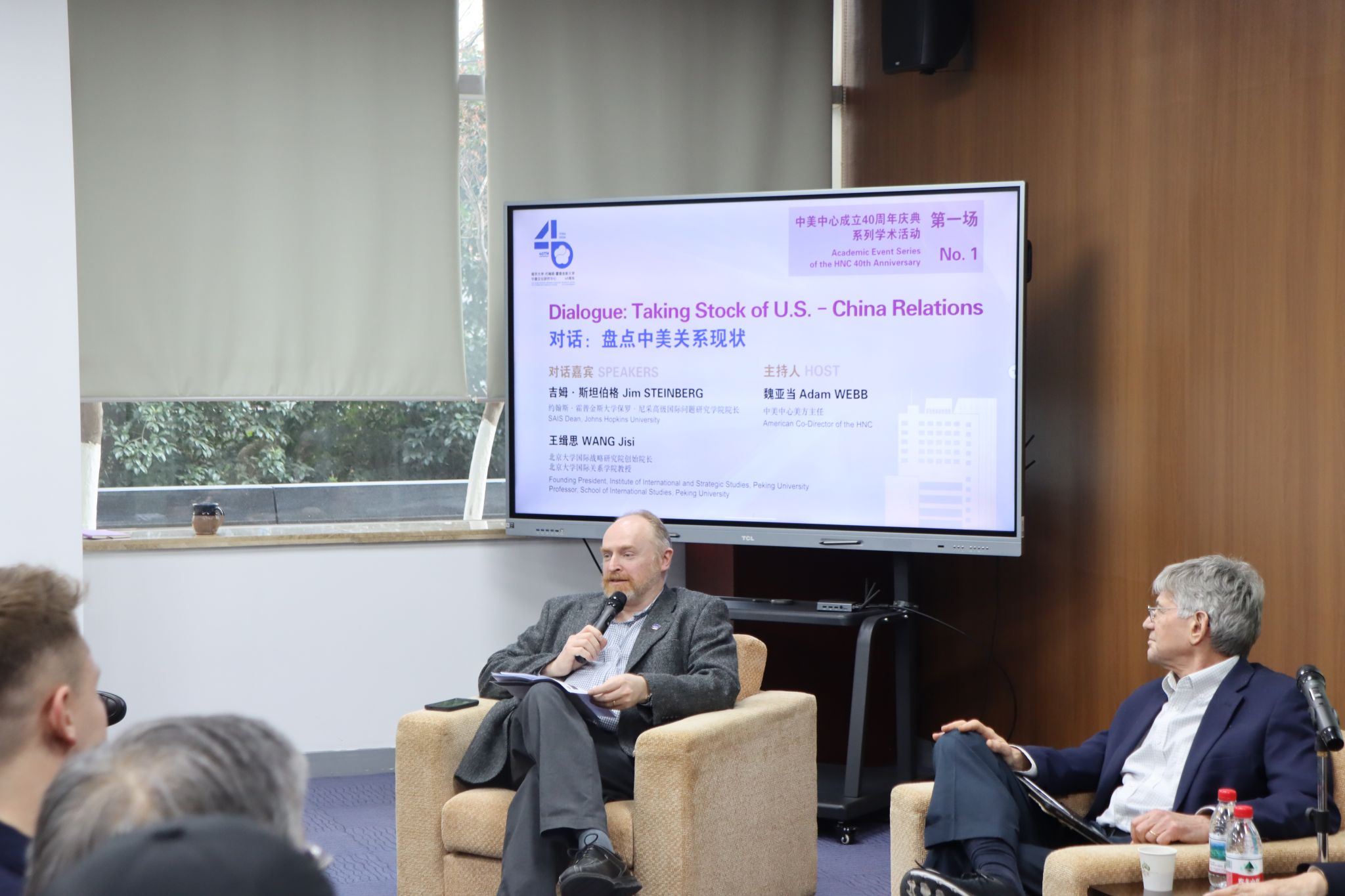
On January 15th, 2026, the Hopkins-Nanjing Center (HNC) held the first academic event in its 40th anniversary series. Jim Steinberg, Dean of the Johns Hopkins University Paul H. Nitze School of Advanced International Studies, and Wang Jisi, Founding Director of the Institute of International and Strategic Studies at Peking University and Professor at the School of International Studies at Peking University, engaged in a dialogue on the theme of “taking stock of the current state of China-U.S. relations.” The event was moderated by Adam Webb, American Co-Director of the Hopkins-Nanjing Center and almost one hundred faculty, students, and alumni of the Center attended the event.
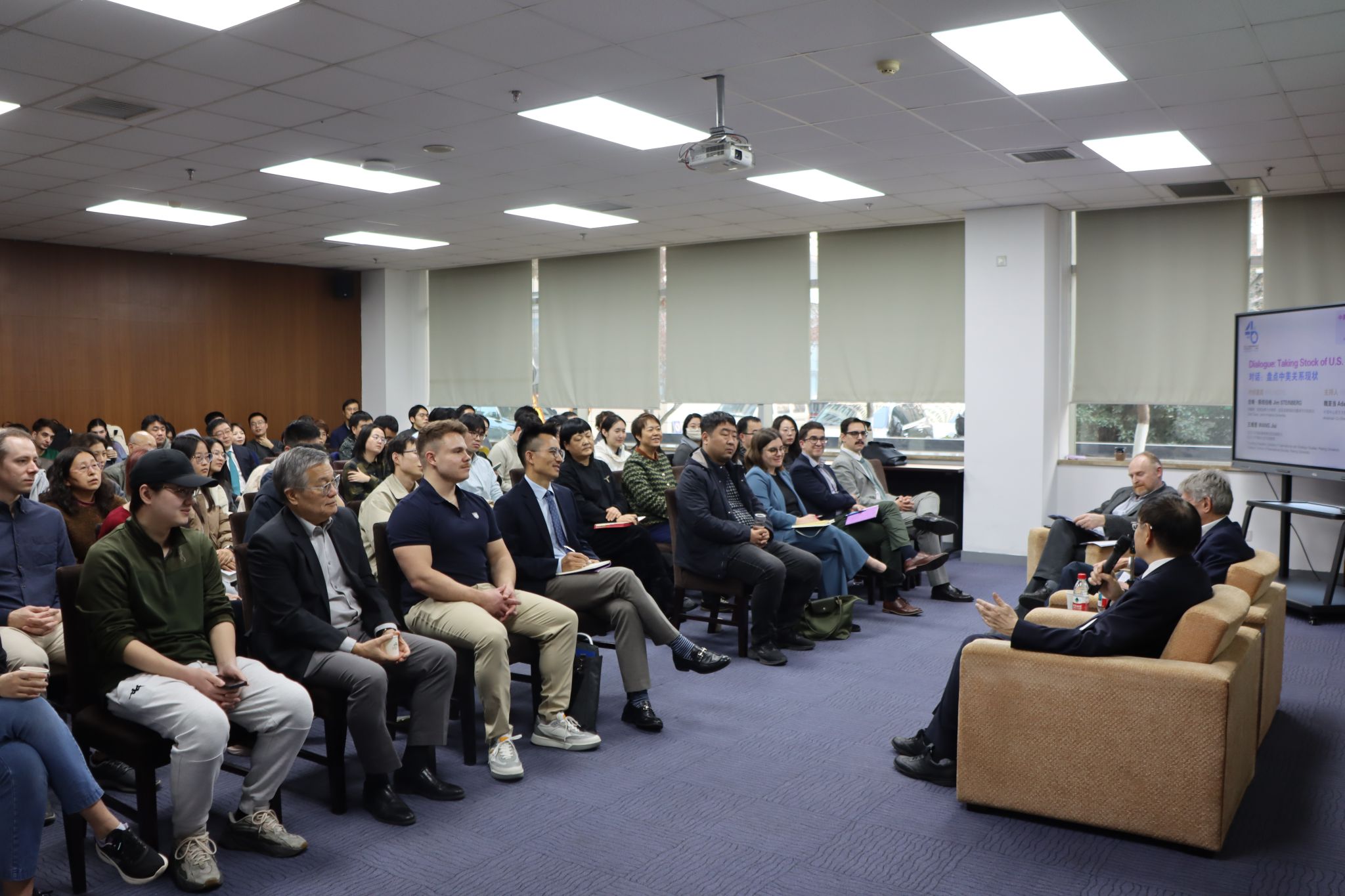
Event Venue
Professor Wang began the dialogue by outlining several developmental stages of U.S.-China relations and the relationship’s characteristics. He stated that the key issue at present is whether China and the United States can establish a more stable model of coexistence. He recommended that both sides should take advantage of opportunities for high-level visits to "stabilize" U.S.- China relations.
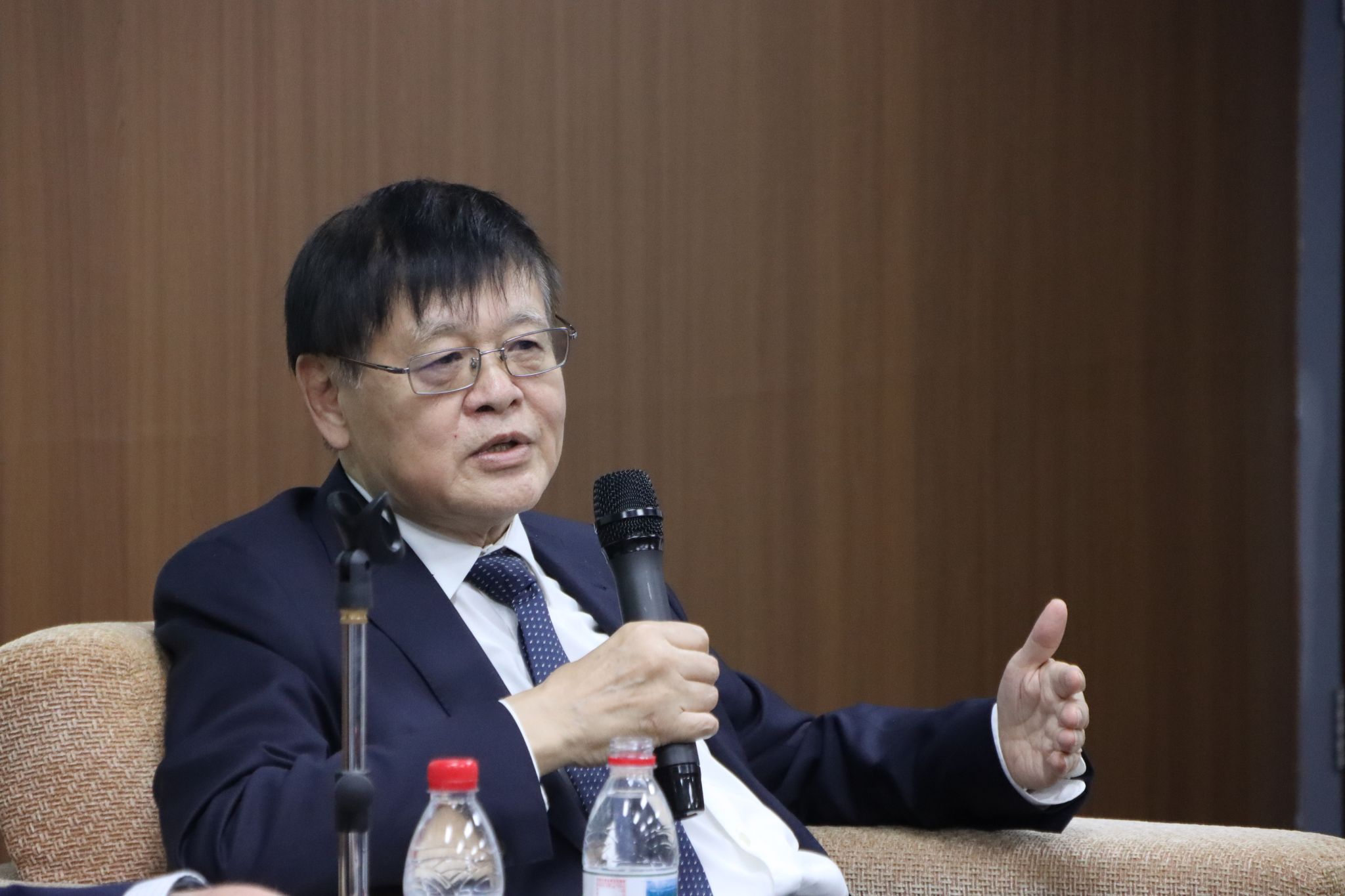
Professor Wang Jisi, Founding Director of the Institute of International and Strategic Studies at Peking University and Professor at the School of International Studies at Peking University
Dean Steinberg’s remarks described how the past "foundational bargain" in U.S.-China relations no longer holds—referring to how China previously accepted America's global leadership in exchange for U.S. support for China's development. Dean Steinberg propounded that this is because the huge power asymmetry that previously existed between the two countries has disappeared, and thus China's rise has become a concern for the United States. At the same time, Dean Steinberg agreed with Professor Wang Jisi that the fundamental issue that both sides urgently need to address is learning to live together in a world where "neither side can occupy an absolute dominant position." The United States, he said, must face the fact that it can no longer unilaterally dominate.
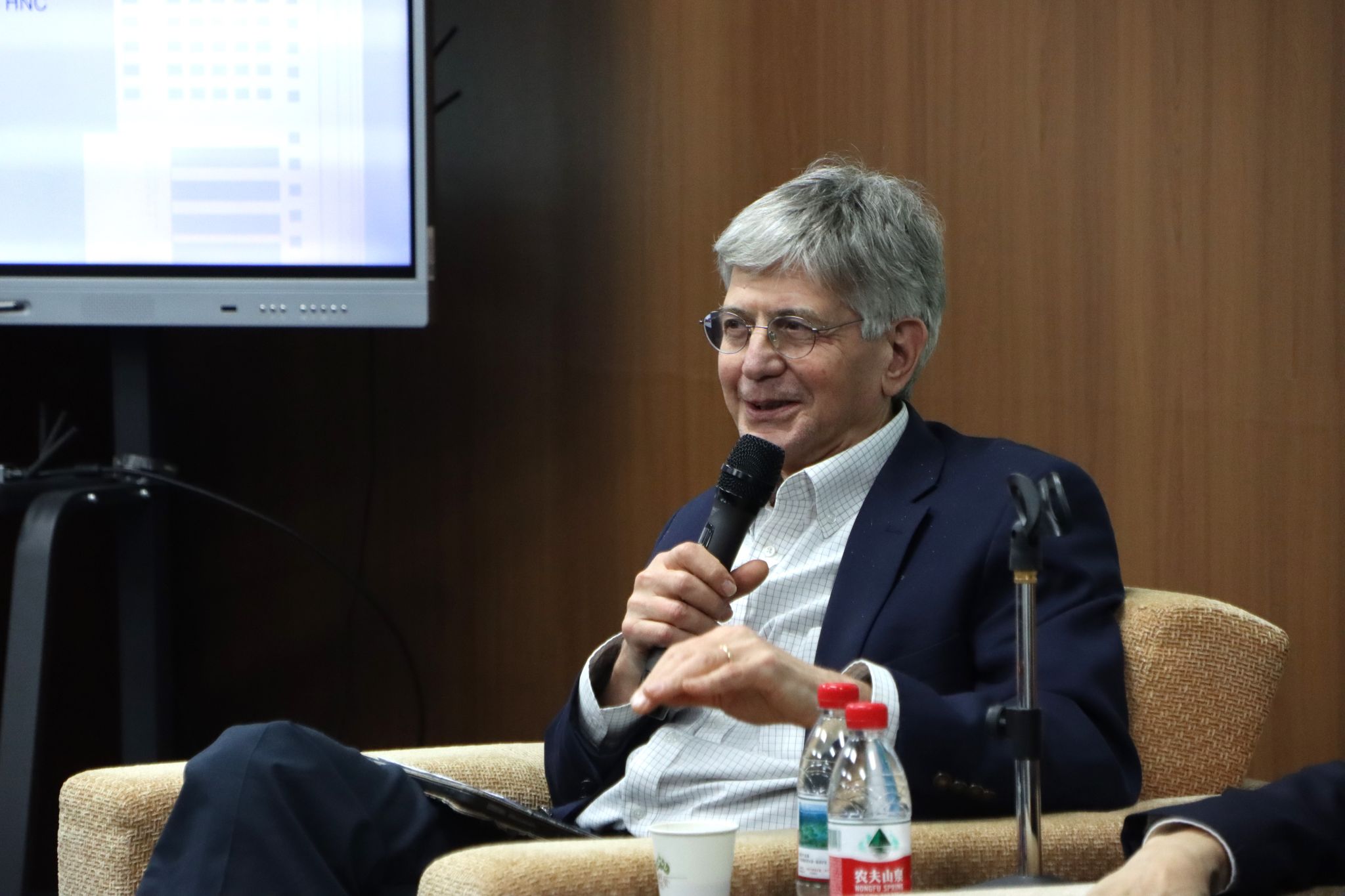
Dean Jim Steinberg,
Dean of the Johns Hopkins University Paul H. Nitze School of Advanced International Studies
Professor Wang posited that the United States’ strength lies in its diverse cultural and ethnic makeup. He hopes that as China gradually moves toward the center of the global stage and continues to expand its opening-up to the outside world, this will dispel some of the prejudices that other nations may harbor towards it. China and the United States should engage in dialogue and exchange with greater equality and mutual respect, while also striving to understand each other’s core interests.
Dean Steinberg further explained the impact that globalization has had domestically within the United States, particularly on manufacturing workers and the middle class, which has led to a loss of social mobility and a sense of exclusion among certain segments of the population. Moreover, domestic U.S. policies have failed to effectively mitigate the impacts, prompting some people to attribute their grievances to external factors such as globalization and the rise of China. Concurrently, emerging technologies like artificial intelligence (AI) may further exacerbate these social inequalities, making it increasingly difficult to rebuild a public consensus supportive of globalization.
Professor Wang emphasized that while the younger generation of scholars possesses superior language proficiency and access to AI tools, they tend to favor online communication, which makes it difficult to forge deep, substantive connections that may hamper U.S.-China people-to-people connections. Moving forward, it is essential to strengthen long-term reciprocal visits and on-the-ground fieldwork, and the Hopkins-Nanjing Center makes a unique and invaluable contribution to this effort.
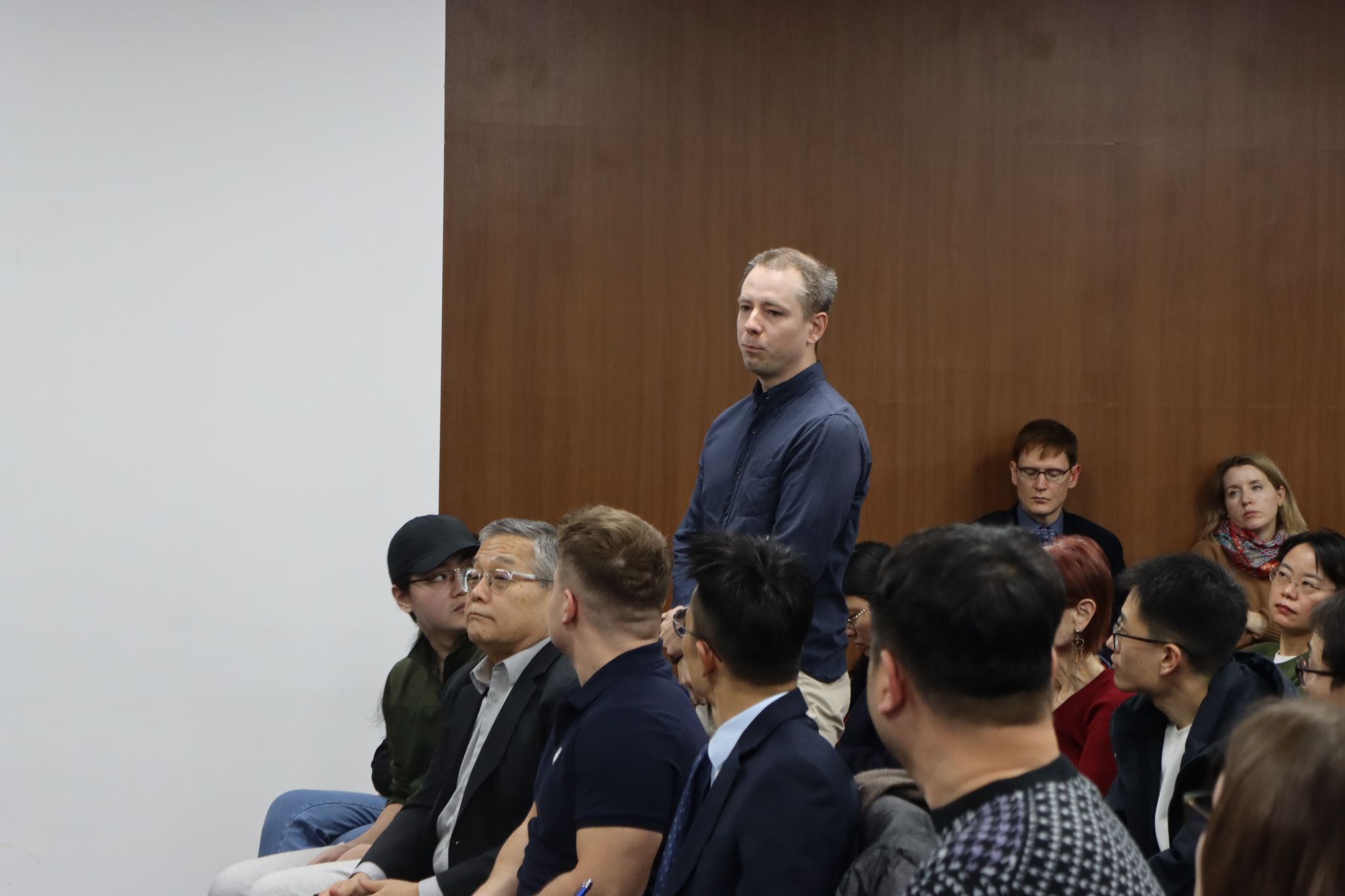
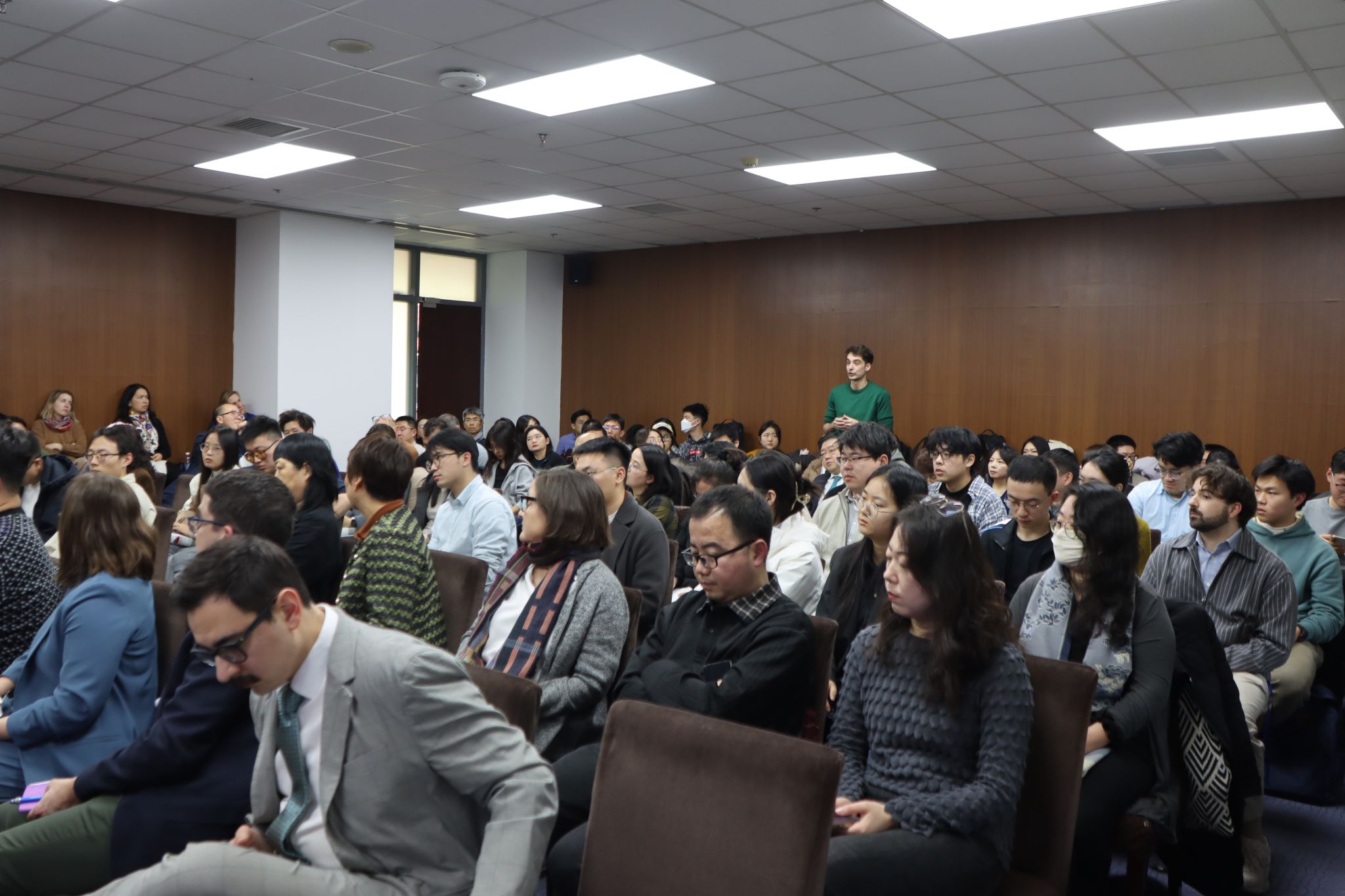
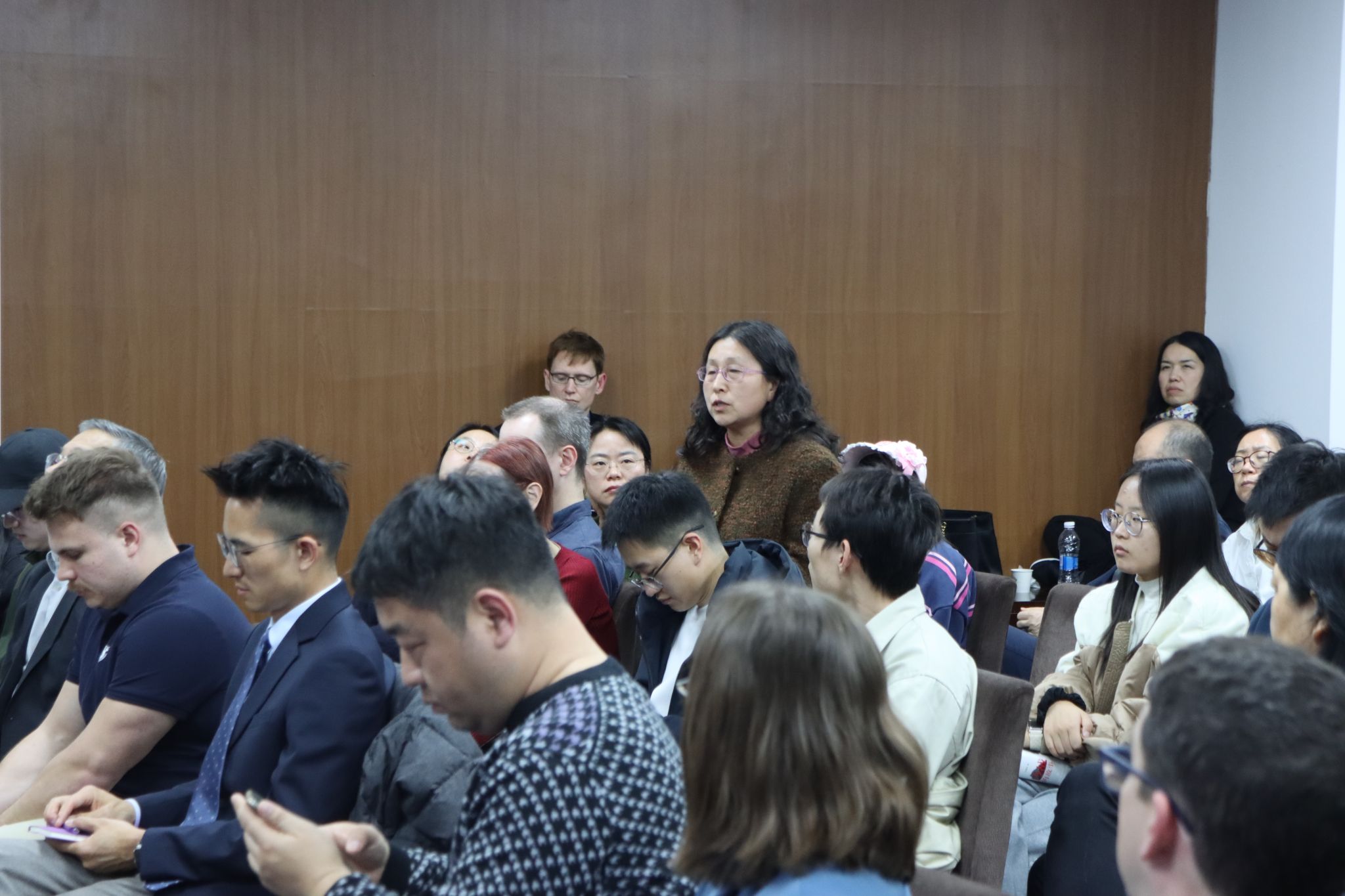
Audience Q&A Session
During the Q&A session, faculty and students were keen to engage in in-depth exchanges with the two experts on issues such as possible areas of cooperation between China and the U.S., public opinion dynamics, as well as the misunderstandings and challenges in the relationship. Professor Wang and Dean Steinberg responded to each question with well-informed answers, combining practical examples with analytical judgments.
American Co-Director Adam Webb
At the conclusion of the lecture, Co-Director Adam Webb expressed his gratitude to Professor Wang and Dean Steinberg for their participation in the dialogue. This dialogue was concrete and pragmatic, providing both a systematic review of U.S.-China relations as well as analysis and assessments, offering important reference points for faculty and students to understand, and look ahead to, the bilateral relationship.